Why Humans Might Be Hardwired to Love Tile-Matching Games
We see tiles and we instantly think about matching them. Are we hardwired to love tile matching games? Let’s shed some light on this.
Humanity has accomplished some remarkable things. We've landed on the Moon, built machines that can think, and developed technology capable of connecting billions of people. And what have we chosen to do with all that technological progress? Sit around matching three identical strawberries until two in the morning.
It's actually quite impressive. Give someone a complicated strategy game and they'll complain about the learning curve. Give them a screen full of colorful tiles, however, and suddenly they've got six hours to spare and an unusually passionate opinion about matching purple diamonds.
So, what's going on inside our heads? Why are we so ridiculously fond of putting identical little pictures together?
Our brains are professional pattern hunters
Long before smartphones existed, our ancestors depended on recognizing patterns to survive. Spotting animal tracks, identifying edible plants, and noticing something unusual in the bushes could make the difference between dinner and becoming dinner.
Okay, apologies for getting too technical with all this but, Tile-matching games give this ancient ability of recognizing patterns a less risky look. The trick here is that, finding matching tiles on the board and matching them just makes the brain happy. It really does if you’re played one.
Admittedly, our ancestors might be disappointed to discover we're using those impressive survival instincts to organize digital watermelons.
There's something delicious about clearing a board
Have you noticed how satisfying it feels when an entire row of tiles disappears? Sometimes it's more rewarding than completing an actual household chore, which explains why the dishes have been waiting since yesterday.
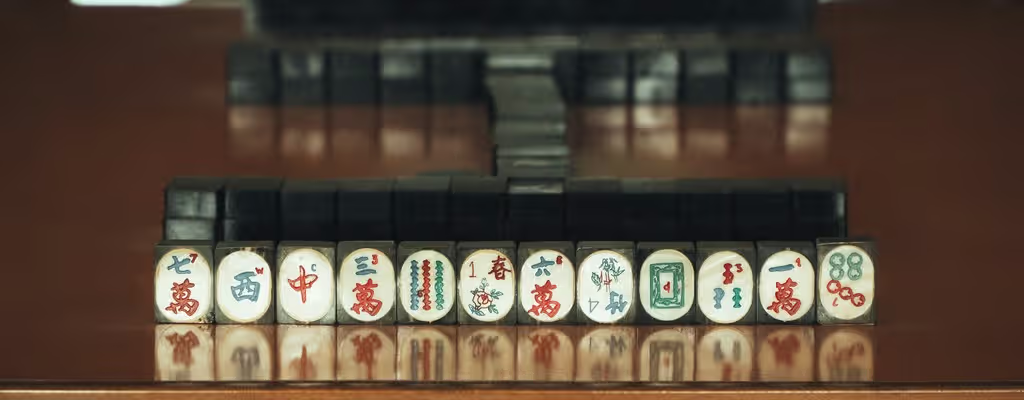
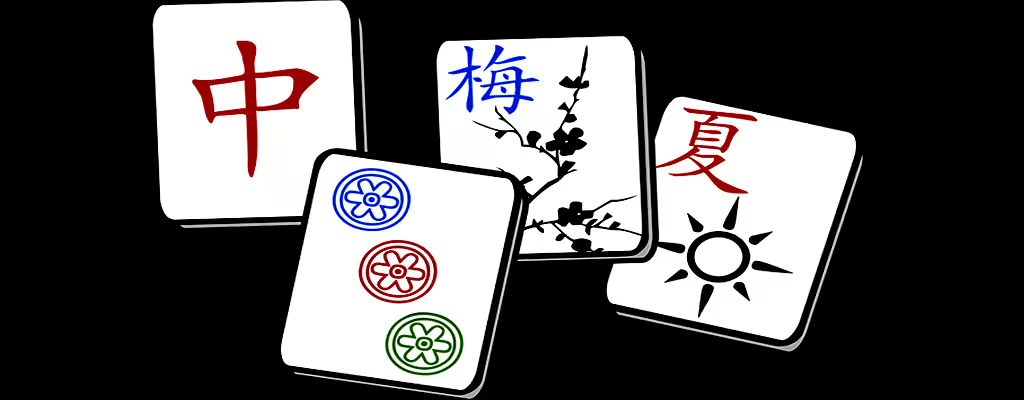
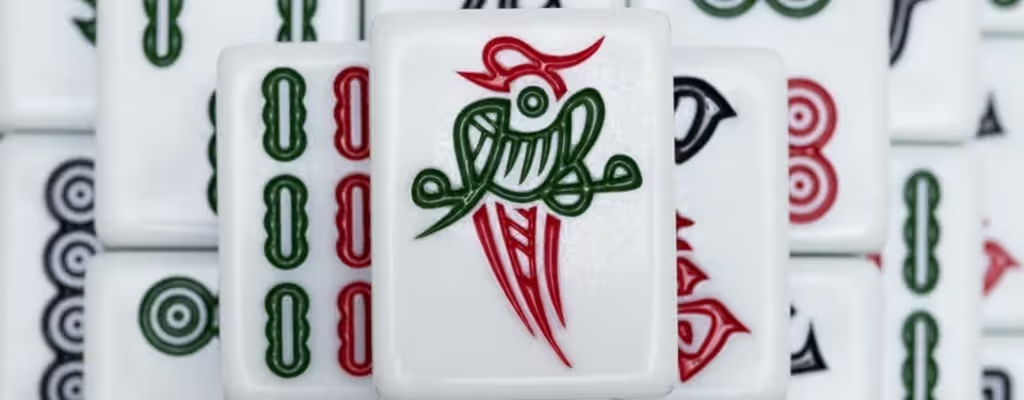
It’s actually a study in psychology how a quick sense of achievement makes us go to that same activity or action again. There’s your answer to why millions are glued to mahjong solitaire games.
That little sense of accomplishment in matching tiles keeps us interested, especially when we're only one clever move away from clearing another section.
Our brains enjoy order, even when our rooms don't
There's a peculiar contradiction in human behavior. We can happily ignore a cluttered desk for weeks, yet become deeply offended by three mismatched tiles sitting in the wrong corner of a puzzle. Tile-matching games give us a manageable kind of disorder. Everything looks messy initially, but we know there's a logical way to improve the situation.
That sense of control can be comforting, particularly after a day filled with problems that don't have obvious solutions.
Perhaps that's why free mahjong games are so appealing. We can sit down, examine a complicated arrangement, and gradually turn chaos into something wonderfully tidy.
The difficulty hits a surprisingly sweet spot
A game that's too easy becomes boring. One that's impossibly difficult makes us consider whether throwing our phone across the room counts as a legitimate strategy.
A good matching game blends both and, presents you a perfect game where you’re interested enough to stay and, raging enough to not delete the game and accept the challenge. We get enough success to feel capable and enough difficulty to remain interested.
It's also why classic free mahjong online can keep experienced players entertained without constantly introducing complicated new mechanics.
There's always the temptation of one more round
Tile-matching games rarely demand enormous commitments. We can open one during a coffee break, solve a quick puzzle, and return to whatever we were supposed to be doing. At least, that's the original plan.
The trouble is that every completed board makes another attempt seem perfectly reasonable. We start thinking about improving our score, beating a difficult layout, or correcting that embarrassingly obvious mistake from the previous round.
Before long, our five-minute break has developed into a surprisingly serious competitive event.
Are we built for this then?
There's no evidence that humans evolved specifically to enjoy matching cartoon fruit, but these games certainly appeal to familiar mental habits.
They offer a little challenge, a little order, and plenty of satisfying victories without requiring us to learn fifty different controls. And considering how enthusiastically the world has embraced them, perhaps the strangest thing isn't that we love tile-matching games.
Related Articles