Why Art Style Matters in Mahjong Solitaire
Mahjong Solitaire has achieved worldwide popularity since first released in the 1980s for the leading Micro-computer platforms of the day. Created as a single player computer game adaptation of the traditional four-player Chinese tile game, the Solitaire version perfectly blends accessible and easy-to-learn game mechanics with a deeply satisfying mental challenge that transcends International barriers. What's more, just as traditional Mahjong relied on the art and design of its legendary tiles, Mahjong Solitaire follows and expands on this valuable legacy left behind.
Tile Art Origins
By the mid-1800s, during the Qing Dynasty in China, local artisans transitioned traditional paper-based card games into durable, three-dimensional tiles that were painstakingly and skillfully hand-carved from bamboo and bone, or ivory, with intricate artistic indentations filled with vibrant, hand-painted color pigments. The origins however of the foundational artwork found in Mahjong tiles was rooted in the time’s historical commerce as the game itself was a symbolic pursuit of wealth, with the "Dots" representing ancient Chinese copper coins with center holes; the "Bamboo" sticks depicting ropes or strings used to tie those coins together; and the "Characters" representing the word "wàn" (myriad or ten-thousand), indicating immense monetary wealth.
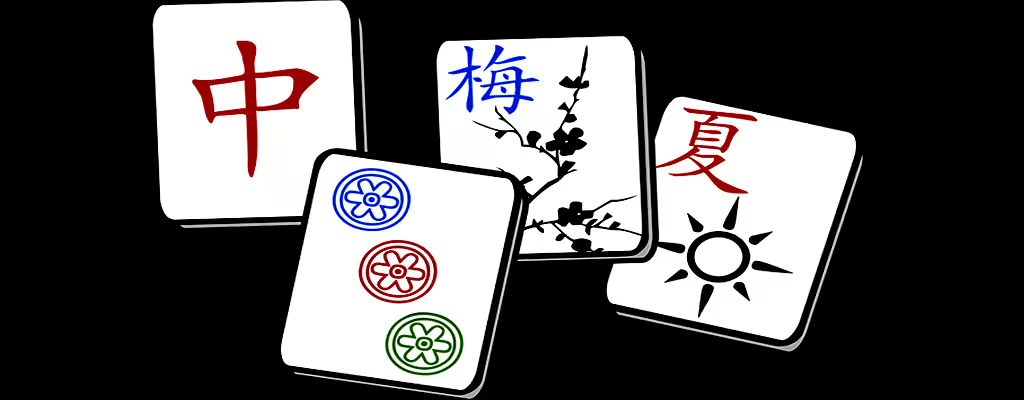
As the game moved into the early 20th Century, the tile art was expanded to include culturally rich symbols that went far beyond mere currency. "Honor" tiles introduced calligraphic symbols for the Four Winds (cardinal directions), and "Arrows" called Dragons, represented Confucian virtues. Also, beautiful "Flower" tiles featuring flora, seasons, and mythical creatures like the Phoenix and Dragon were skillfully crafted and added to the game. When Joseph P. Babcock brought Mahjong to the West in the 1920s, the tile artwork was modified to feature Western numbers and letters alongside the traditional Chinese imagery to make the game more adaptable to Western players. Eventually, through modern manufacturing, synthetic plastics like “Bakelite” started replacing bone and bamboo, or ivory in the 1930s.
Solitaire Mahjong Art Today
The Solitaire Mahjong art of today is a vibrant combination of digital convenience and aesthetic customization evolving from the initial single-color backgrounds of the early computer operating systems. The Solitaire version was and still is foremost created as a computer game where identical pairs of exposed tiles had to be matched to clear the board. This created a relaxed yet strategic rhythm, originally with the aesthetic appeal of traditional tile designs, and its ability to provide a quick and stimulating cognitive experience on modern day digital devices. In desktop versions like "Microsoft Mahjong", or the original "Shanghai", and in online gaming portals like mahjong online, the game serves as a canvas for a variety of visual storytelling through highly customizable themes.
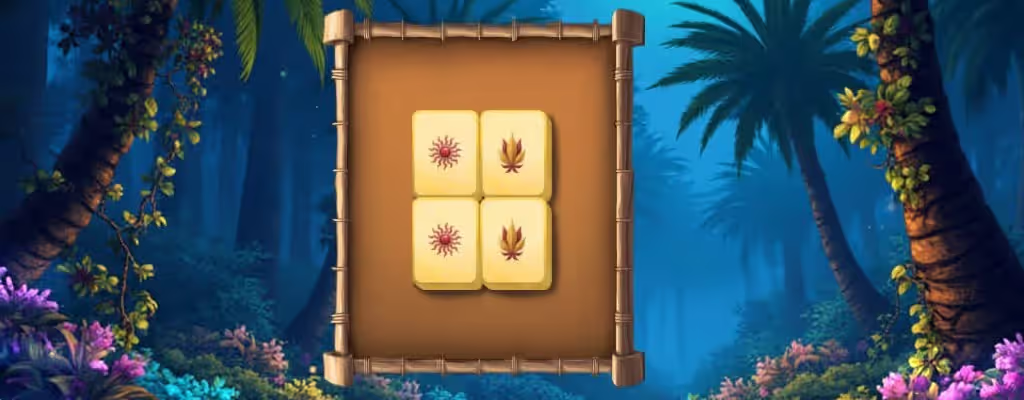
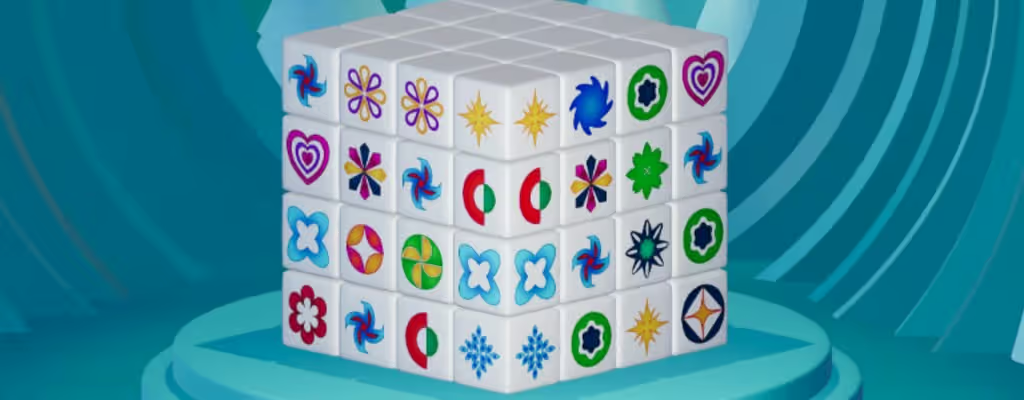
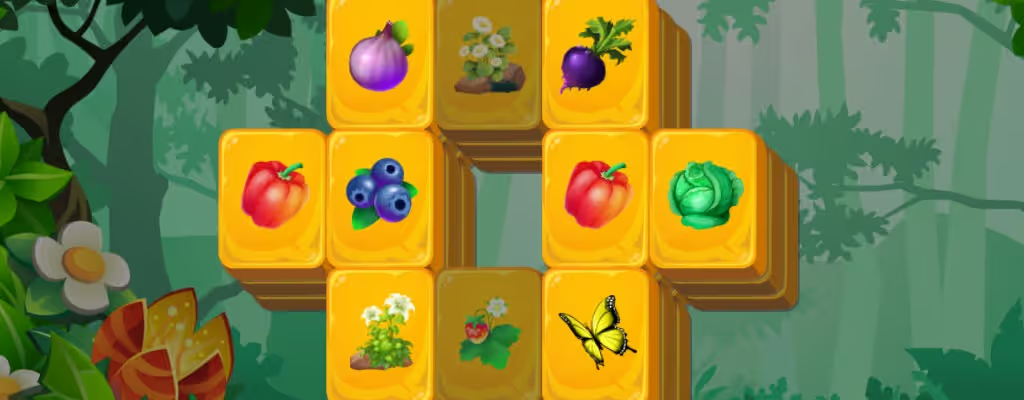
While many game traditionalist still prefer the classic digital renderings of the old bone-and-bamboo sets with readable "Riichi-Style" calligraphic artwork, versions of the game are widely available today that transforms the old aesthetics into modern-day contemporary artwork. This could range from minimalist vector designs and modern neon landscapes to fantasy and novelty themes featuring novel patterns, enchanted forests, or seasonal holiday scenes. What's more, with the enhancements of smooth 2D and 3D animations, modern Mahjong Solitaire digital art on both tiles and background environment provides a relaxed sensory experience and visual flexibility, enabling players to choose or tailor the game's visual experience to their own tastes and personal style.
Why the Art Style Matters
Art style in Mahjong Solitaire and free mahjong games, primarily affects 3 things, cognition, player readability, and mental relaxation. In essence, the game is a fast-paced visual scanning puzzle solver where a player must instantly identify, match, and remove identical pairs from a stacked multi-layered pyramid or any other stack-configuration design. If the tile art is too complex, cluttered, or lacks distinct color boundaries, it can produce severe cognitive strain that can cause the player to misinterpret the tile characters, bringing down the fluid rhythm of the game. To this, Mahjong game designers place immense emphasis on user interface (UI) and user experience (UX) features like adaptive font sizes, drop shadows to give a clear 3D perspective of height, and clear-cut color palettes to ensure that players, particularly seniors, or the visually impaired, can scan a 144-tile layout at a glance without exhausting their eyes.
The art style also serves as the emotional and environmental anchor of the entire gaming experience. The game is primarily played worldwide as a form of Zen-like stress relief, or brain and cognitive training, with the thematic environment playing a huge role in the player's mood. A beautifully rendered art theme can transform a mechanical “matching” exercise into an immersive and sensory-rich experience. By developing the visual design from classic to contemporary styles, game developers aren't just decorating the board but are directly shaping the pace, ease of play, and mental enjoyment of this awesome puzzle game.
Related Articles