What Really Defines a Mahjong Solitaire Game?
Is it the tiles? Is it the matching system? Today we’re diving deep into what really defines a mahjong solitaire game.
A good tile matching mahjong game has a very sneaky personality. At first, it looks peaceful. Pretty tiles, neat stacks, maybe some soft background music acting innocent. Then five minutes later, you are staring at the board like it personally hid the one bamboo tile you need.
That is part of the charm. People who play mahjong online are usually not looking for chaos. They want a puzzle that feels calm, tidy, and clever, but still gives the brain something to chew on. It is relaxing, yes, but not empty. The game works because it sits in that sweet spot between “I am unwinding” and “I am absolutely not leaving until this board is cleared.”
The rules need to feel obvious
The basic idea is simple. Match identical open tiles and remove them until the board is empty. That sounds easy enough, which is exactly why the game pulls people in so quickly. Nobody needs a fifteen minute tutorial or a dramatic training chapter.
But the word “open” is where the real puzzle begins. A tile is only playable if it is not trapped under another tile and has space on at least one side. So you are not just matching pretty pictures. You are freeing tiles, planning paths, and trying not to block yourself like someone confidently walking into the wrong room.
The layout does half the work
A strong mahjong style puzzle depends heavily on layout. The tiles need to be stacked in a way that feels fair, interesting, and slightly rude. Too easy, and the game becomes a sleepy clicking exercise. Too hard, and players start suspecting the designer has personal issues.
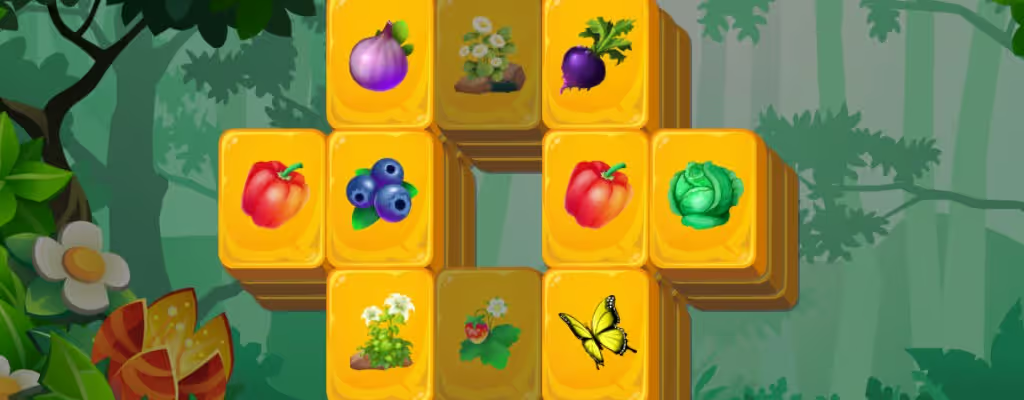
The best layouts make you think two or three moves ahead without making your brain file a complaint. You scan the board, spot pairs, notice blocked tiles, and decide whether removing one pair now will help or ruin your chances later. That little bit of strategy is what keeps the game from feeling like basic matching.
The tiles matter more than people think
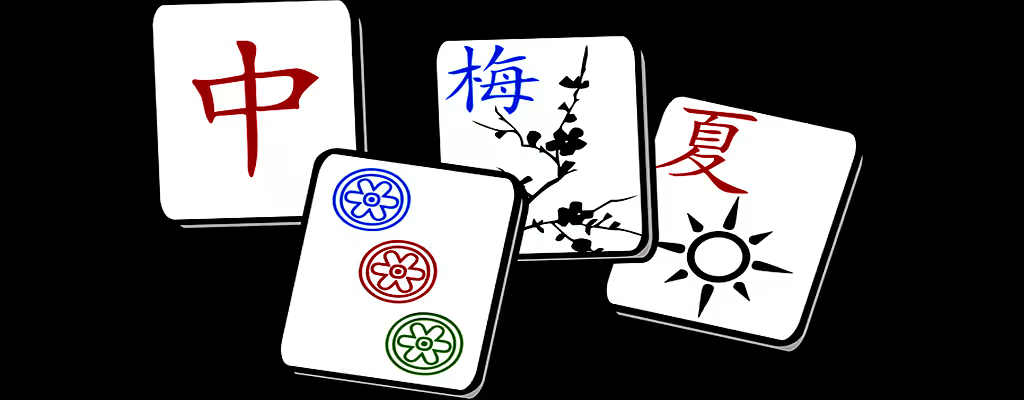
Tile design is a big deal. Symbols need to be clear enough to recognize quickly, but not so plain that the board looks boring. Traditional designs bring that classic feel, while modern versions sometimes use animals, flowers, seasons, food, or glossy themed sets. Good tiles make the game satisfying to read. Bad tiles make you question your eyesight and life choices. If two symbols look almost the same, the puzzle becomes less about skill and more about squinting aggressively at your screen.
The mood is part of the game
This type of game is not only about winning. It is about the feeling of slowly clearing a messy board. Each match opens space. Each removed layer reveals something new. Tiny progress, steady focus, small reward. Very simple. Weirdly powerful. That is why the best versions avoid rushing players too much. A timer can be fun, but the classic appeal comes from patience. You want to feel thoughtful, not hunted.
The real definition is balance
What really defines mahjong solitaire is not just tiles or matching. It is the balance between calm and challenge, luck and planning, tradition and readability. A good version lets players settle in quickly, then keeps them there with smart layouts and satisfying decisions. It looks like a quiet little puzzle. Then somehow it steals twenty minutes and leaves you saying, “Just one more board,” which is always the first lie of a good game.
Related Articles