How Much Can You Change Before Mahjong Solitaire Stops Feeling Familiar?
Mahjong solitaire, as a game, has evolved a lot over the years. Now the question is, how much can you change before mahjong solitaire stops feeling familiar?
Mahjong solitaire has a very particular feeling. You open a board, see stacked tiles, spot a few matching symbols, and your brain instantly understands the assignment. No speech needed. No grand entrance. Just tiles sitting there like a quiet little challenge with excellent posture.
That familiarity is powerful. It is the reason people return to the game again and again. The rules feel simple, the rhythm feels calm, and the whole thing has that satisfying “clear the mess” energy. So when developers start changing it, the real question becomes interesting. How much can you bend the game before players stop recognizing it?
The tiles can change first
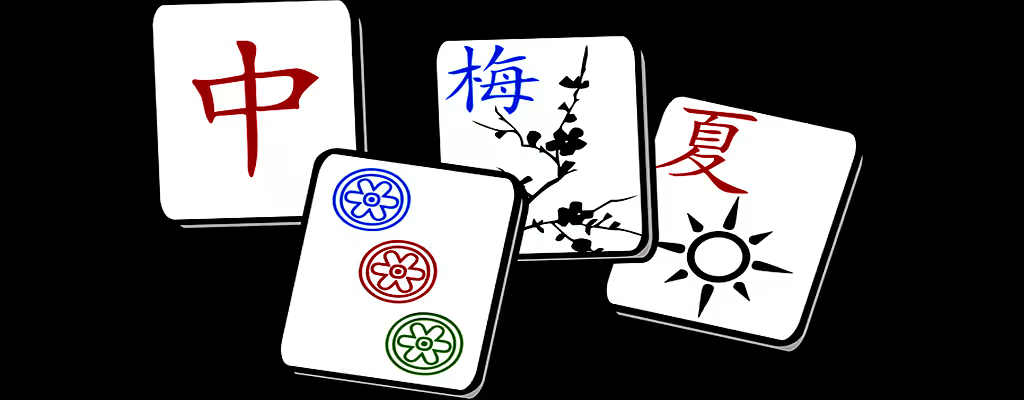
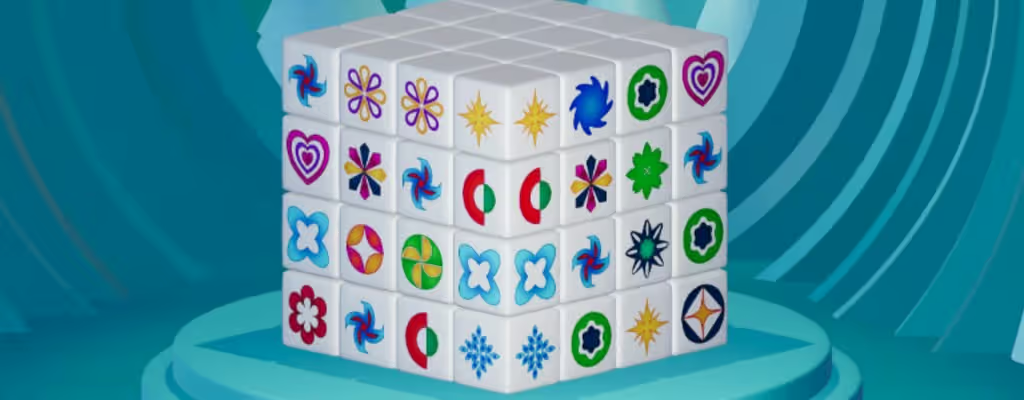
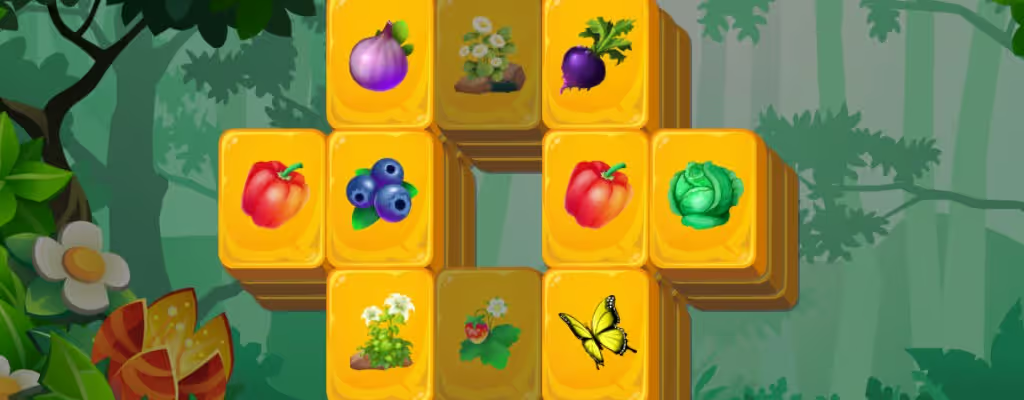
The easiest thing to change is the tile art. Traditional symbols have their own charm, but modern versions often use animals, flowers, seasons, candy, jewels, food, or cheerful little icons that look like they were designed during a good snack break.
That usually works fine as long as the tiles stay readable. Players do not mind fresh designs. In fact, many enjoy them. The problem starts when the symbols become too detailed or too similar. If players have to squint at two tiny leaves for seven seconds, the game stops feeling relaxing and starts feeling like an eye test with emotional consequences.
Layouts can get playful
Changing the layout is also safe, up to a point. Classic turtle shapes are familiar, but new boards can make the puzzle feel fresh. Hearts, towers, spirals, animals, letters, seasonal shapes, all of that can add personality. Still, the layout has to respect the old logic. Players need to understand which tiles are free, which are blocked, and what their next move might open. If the board becomes too strange, the puzzle loses its clean little language. A creative layout should feel like a new room in the same house, not a staircase that leads into a swimming pool.
Speed changes the mood
Timers, combos, streaks, daily rewards, and score bonuses can make the game more energetic. Some players like that extra push. It gives the board a little spice and makes each decision feel sharper. But too much pressure changes the identity of the game. This kind of tile puzzle is loved because it lets people think at their own pace. Once it starts shouting about speed every twelve seconds, the calm disappears. At that point, players are not solving a peaceful puzzle. They are being chased by a calendar with sound effects.
Power ups are tricky
Hints, shuffles, undo buttons, and special boosters can be useful. They help players recover from bad choices or avoid feeling completely stuck. Used lightly, they make the game friendlier. Used too heavily, they can weaken the satisfaction. If every problem has a magic button, the player stops feeling clever. The board becomes less like a puzzle and more like a vending machine with tiles. The best versions keep help available without making it the whole personality.
The heart must stay the same
A game can change its art, layout, rewards, themes, and even pacing, but it has to keep the central pleasure intact. Players need that slow scan, that small decision, that satisfying match, and that feeling of the board opening up piece by piece. That is why classic free mahjong online still has such strong appeal. It understands the core promise. You match, you clear, you think, and the board gradually becomes lighter. Change can be fun. Fresh ideas can absolutely work.
Related Articles